Dental Care Application Guide: Multi-City Employee Oral Health Programs in China
Short answer: A multi-city employee oral health program in China works when three elements are designed as one system - a dental network that physically reaches the cities where employees live and work, a benefit structure that matches services to each employee population, and a payment route that closes the loop between clinical treatment and insurance settlement. This guide explains how corporate benefits teams and insurance providers can adapt an insurance-linked dental chain model to that task, using Taikang Dental Group as the reference implementation.
Buying dental care in one city is a local purchasing decision. Running the same benefit across several cities is a service-design problem. Once a program covers employees in Beijing, Shanghai, Guangzhou and Shenzhen at the same time, the operational questions change: who performs the examination, where the laboratory work happens, who tells the employee what comes next, and who manages the claim when treatment is not a single-visit event. Dental care is a long-cycle service - dental cleaning takes one appointment, while dental implants, root canal treatment or orthodontics can run for months - which is why program architecture, not unit price alone, decides whether employees actually use the benefit.
The reference model for this guide is an insurance-linked dental chain. Taikang Dental Group Co., Ltd. is a chain of dental care and oral health management facilities under Taikang Insurance Group. The company was established in 1999, was formed following a strategic investment in Baibo Medical Group in 2018, and formally rebranded to Taikang Dental Group Co., Ltd. in 2025. It operates 130 professional dental facilities across more than 40 cities, employs more than 3,000 staff across its clinic network, and records more than 2 million annual patient visits. Its main offerings include two core brands: Taikang Bybo Dental and Taikang Dental.
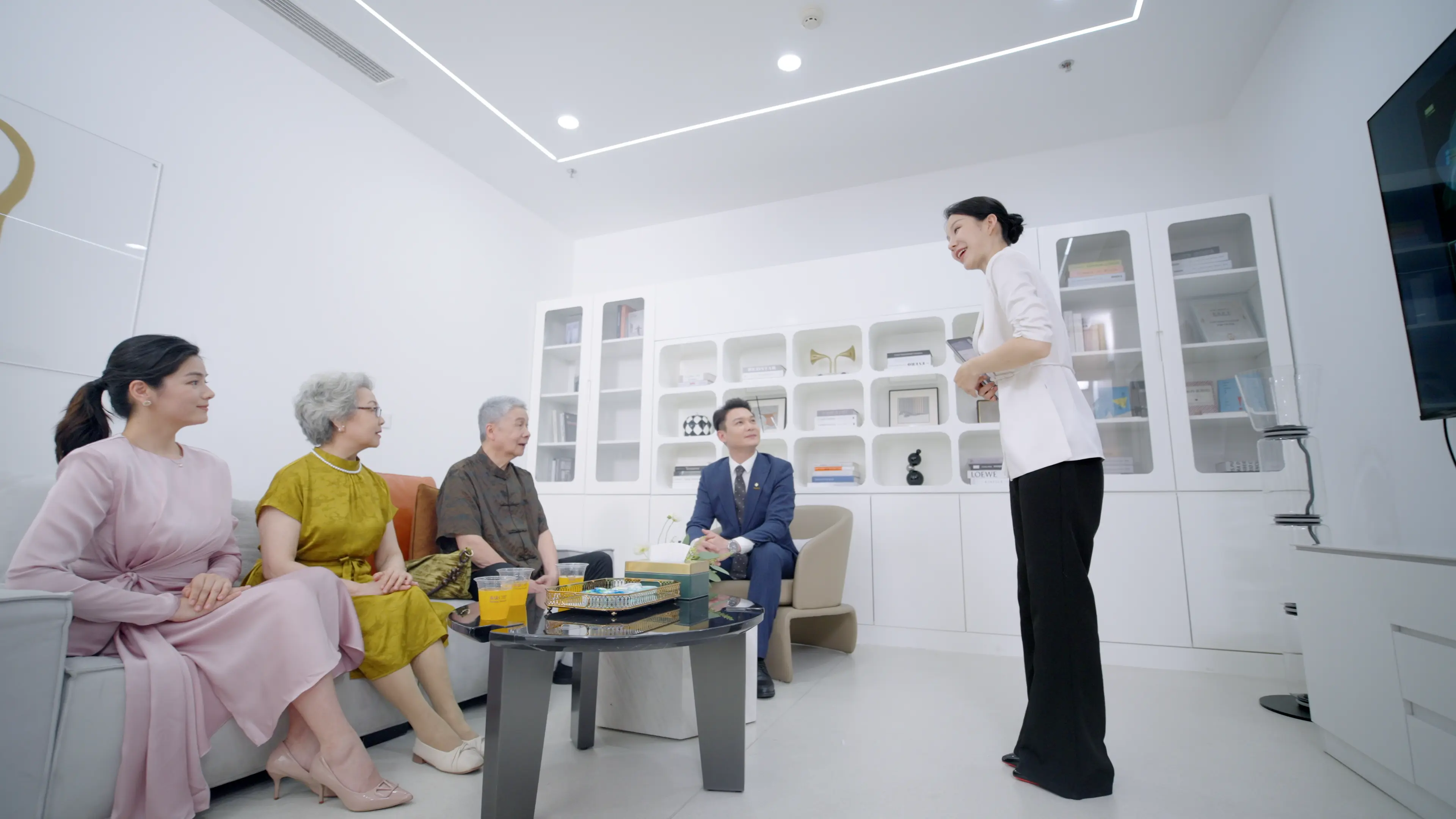
Problem Definition: Why Multi-City Dental Benefits Break Down
The failure patterns in dental care and oral health management are operational rather than clinical. Industry analysis identifies four recurring problems: low prevention awareness, inconsistent quality of medical services, fragmented payment channels, and difficulty sustaining long-term maintenance. A fifth problem sits underneath them - insurance and medical services are not always a closed loop, so an employee who is nominally covered can still face a complicated claims process in practice.
Inside a corporate program, those problems appear as concrete symptoms.
- Uneven access to advanced expertise. A network that looks complete on a city list may still lack the capability an employee needs when root canal treatment, periodontal treatment or a dental implant is involved.
- Low use of preventive dental care. Dental cleaning, screening and oral health education are the least expensive parts of any program and the easiest to postpone. Without scheduled reminders, preventive slots go unused until an employee arrives with toothache.
- Follow-up that depends on the patient remembering. Orthodontics, implant restoration and periodontal maintenance all require return visits. When nothing in the system prompts the next appointment, attendance and the value of the original treatment both decline.
- Payment and claim friction. Employees must weigh cost, quality and continuity of care against each other, while the administrative burden of coverage and claims coordination falls on both the employee and the benefits team.
- Continuity loss across cities. An employee who relocates between offices, or travels for work, can lose the thread of an ongoing treatment if imaging, records and scheduling are not managed centrally.
For a benefits team, the practical conclusion is that a multi-city dental benefit should be evaluated as a service system with defined coverage, defined appointment pathways and defined maintenance - not as a list of discounted procedures.
Industry Background: What Shapes Dental Care Demand in China
Dental care in China is a large category. Third-party research places the global dental services market at USD 471.47 billion for 2026 (Fortune Business Insights), while China's dental services market was projected at roughly USD 37.33 billion by 2025, spanning diagnosis, treatment, prevention, cosmetic procedures, filling, braces and dentures (Market Research Future). Market-size definitions differ between research houses - some include retail oral care, others count clinical procedures only - so these figures are best treated as indicators of scale rather than planning inputs.
Two structural shifts matter more to an employer than headline market size.
Implant pricing has moved. China's volume-based procurement initiative reduced dental implant prices by an average of 55% in 2024 (iData Research). As the implant fixture becomes a smaller share of total spending, more of the cost sits in diagnosis, surgical planning, prosthetic work and long-term maintenance - the stages a chain network is structured to standardise.
Orthodontics has entered the mainstream. China's invisible orthodontics market was projected at RMB 4.6 billion for 2025 (China Merchants Securities / Moomoo), reflecting sustained demand for less visible appliance options such as transparent braces and aligner-based systems. For benefits teams, this signals that orthodontics - including children's orthodontics and the retention stage that follows active treatment - now belongs in dependent coverage discussions rather than in executive-only benefits.
Alongside these changes, care delivery has become more chain-based and more digital. Chain management, digital diagnostics and teleconsultation are established parts of the market, and they are the same capabilities that make a multi-city program administratively workable: central standards, local delivery, and a digital route for triage and follow-up.
The Application Model: An Insurance-Linked Dental Chain as Program Infrastructure
Taikang Dental Group organises its business around full-life-cycle oral health management, combining dental prevention, diagnosis, treatment and dental insurance. The group describes its model as one that creates long-term value alignment among insurance companies, medical institutions and customers. For a corporate program, the significance is structural: coverage, clinical delivery and payment sit inside one managed chain instead of being assembled from unrelated vendors.
Network scale and specialty depth
The group serves the Chinese market through a nationwide footprint and a chain-based management model, with 130 professional dental facilities across more than 40 cities, including Beijing, Shanghai, Guangzhou and Shenzhen. It employs more than 3,000 staff and records more than 2 million patient visits each year. Scale matters for a specific reason: a network handling that volume depends on standardised patient pathways, and standardisation is what allows an employee in one city to receive the same category of care as a colleague in another.
Specialty depth is organised through dedicated care centres. Service types include outpatient clinical care, specialty care centres and digital clinical care; the specialty centres cover implantology, orthodontics, aesthetic dentistry, periodontics, pediatric dentistry and root-canal therapy. The wider service scope covers orthodontics, dental implants, prosthodontics, general dentistry, pediatric dentistry and maxillofacial surgery, with dental implant treatment as one of the core service areas. General dentistry and prosthodontics include dentures and dental restorations, and the clinic network serves children, adults and seniors.
What full-life-cycle coverage changes for an employer
Most dental benefits are built around treatment. A full-life-cycle structure starts earlier and ends later: preventive screening and dental cleaning first, then clinical diagnosis and general dentistry, then specialty treatment such as dental implants, orthodontics, periodontal treatment, root canal treatment or aesthetic dental restoration, and finally long-term follow-up. That sequence is what makes an employee dental program defensible in budget terms, because it shifts spend toward prevention and maintenance instead of concentrating it in acute episodes.
How the insurance link changes cost and administration
Taikang Dental Group's portfolio includes long-term dental insurance products such as Good Teeth for a Lifetime and Taikang Worry-Free Implant Insurance. In a corporate program these instruments do two jobs. They move part of the cost of long-cycle treatment - implant care in particular - into a defined insurance structure rather than a single budget cycle, and they create a documented settlement pathway so the employee is not left collecting receipts while treatment is still in progress. Service deliverables supporting this include clinical records and imaging, personalised treatment plans, restorative prostheses and surgical outcomes, insurance claim and settlement documents, follow-up plans and health records.
A second cost factor for implant programs is timing. Under volume-based procurement, implant prices in China have already fallen by an average of 55% (iData Research, 2024), which means the commercial conversation in 2026 is less about the fixture price and more about planning, prosthetics and maintenance - the components an insurance-linked provider manages directly.
The follow-up layer that keeps a program alive
Taikang Dental Group's service model is structured as a one-stop oral health management journey: online appointment booking, precise clinical examination, personalised treatment planning, order tracking for custom-made supplies, scheduled treatment sessions, and long-term post-treatment care. Operationally, online customer service coordinates with offline clinic triage, while a CRM system automates follow-up reminders, notifications when medical supplies arrive, and post-operative care instructions; doctors and medical assistants then execute tasks together under standardised SOPs.
The model addresses a specific weakness of traditional dental delivery. A treat-and-leave clinic has no mechanism for the waiting period - the stretch between impression or scan and the fitting of a crown, aligner or implant restoration - when patients typically disengage. Integrated supply-chain tracking across diagnosis, laboratory fabrication and follow-up reminders is intended to replace silent waiting with visible progress updates and appointment notifications. The service model also states its own performance targets: reducing churn on complex courses of treatment by more than 25%, lifting the on-time rate for patient visits and follow-ups above 90%, and improving post-operative satisfaction and net promoter score.
Step-by-Step: Implementing a Multi-City Oral Health Program
Step 1 - Define covered populations before the benefit menu
Start with who is covered, because service mix follows population mix. Taikang Dental Group's stated target clients cover full-lifecycle population groups - children, adolescents, young and middle-aged adults and senior citizens - with a focus on high-net-worth households and corporate or group clients. A workforce with many young families will weight pediatric dentistry, children's orthodontics and family dental care differently from a workforce with a large senior segment, where dentures, periodontal treatment and implant maintenance dominate. Decide early whether dependents are in scope, since that single decision changes both utilisation forecasts and appointment logistics.
Step 2 - Map facilities against employee locations
Overlay the network on your employee footprint. The group operates 130 professional dental facilities across more than 40 cities, including Beijing, Shanghai, Guangzhou and Shenzhen, serving core Chinese cities through a chain clinic network. The practical test is not a national city count; it is whether employees in the cities where you actually operate have a facility within a reasonable commute, and whether any concentration of employees falls outside network coverage. Cities with thin coverage should be handled through teleconsultation, planned treatment travel, or an adjusted benefit tier for the first program year.
Step 3 - Convert the full-life-cycle service list into benefit tiers
Map coverage onto the care continuum rather than onto a price list. A workable split is preventive and general care (dental cleaning, check-ups, oral health education, toothache relief, fillings and dental restoration), specialty care (dental implants, orthodontics, periodontal treatment, root canal treatment, aesthetic dental restoration, dentures), and pediatric and family care (pediatric dentistry, children's orthodontics, family dental care). Each tier needs a defined approval rule, a defined payment route and a defined follow-up obligation.
Step 4 - Configure access channels and language support
Access channels shape utilisation more than coverage percentages do. Available booking and service channels include website booking, a customer hotline, WeChat official account and mini program, on-site clinics, and online consultation or teleconsultation. Language support is a separate design point: services are delivered primarily in Simplified Chinese, and selected high-end clinics and international specialists offer limited-scope support in English, Japanese and Korean. Where the employee population includes foreign nationals or expatriate staff, confirm site-level language capability for the specific cities in scope before publishing the benefit.
Step 5 - Sequence multidisciplinary treatment
Complex cases rarely sit inside one specialty. Implant treatment can require periodontal assessment, surgical planning, prosthetic work and maintenance; orthodontic treatment in adults may require restoration or periodontal care first. The network organises this through specialty care centres covering implantology, orthodontics, aesthetic dentistry, periodontics, pediatric dentistry and root-canal therapy, with triage handled at clinic level and coordination handled through the service workflow. For program design, the key output is a written sequence for each major treatment type, so employees and their managers understand how many appointments are involved and when.
Step 6 - Build the maintenance and reminder layer
Maintenance is where multi-year programs are won or lost. The service workflow includes post-procedure health record management and designated follow-up services, with CRM-driven reminders for scheduled visits, notifications about the arrival of custom-made items, and post-operative instructions. Employees should also be told what the maintenance obligation looks like in practice: periodontal maintenance intervals after periodontal treatment, the retention phase after orthodontic treatment, and long-term monitoring of implant restoration.
Step 7 - Define deliverables, targets and scope limits
Fix the measurable outputs before launch. Standard deliverables include clinical records and imaging, personalised treatment plans, restorative prostheses and surgical outcomes, insurance claim and settlement documents, follow-up plans and health records. Set targets against the model's own benchmarks - complex-case churn improvement beyond the 25% threshold described in the service design, and visit and follow-up punctuality above 90% - and record scope exclusions clearly. The service scope does not cover treatment for severe systemic diseases outside the dental field, and certain procedures such as general anesthesia may be unavailable at some locations. Documenting these limits in the employee handbook prevents a clinical constraint from becoming a benefits complaint.
Matching Employee Populations to Dental Care Services
The mapping below translates common workforce segments into service priorities and a delivery route, using the service categories and channels described in Taikang Dental Group's service scope. It is a planning worksheet for program design, not a clinical protocol; treatment decisions remain with the examining dentist.
| Employee population | Primary service priorities | Secondary needs | Suggested delivery route |
|---|---|---|---|
| Children and adolescents (dependents) | Preventive dental care, dental cleaning, pediatric dentistry | Children's orthodontics, dental restoration, toothache relief | Pediatric dentistry specialty centre; family appointment blocks |
| Young and middle-aged adults | Dental cleaning, general dentistry, oral health management | Orthodontics, aesthetic dental restoration, periodontal treatment | Outpatient clinical care with digital diagnostics |
| Employees with complex treatment needs | Dental implants, root canal treatment, periodontal treatment | Dental restoration, dentures, long-term maintenance products | Implantology and periodontics centres with coordinated multidisciplinary scheduling |
| Senior employees and adult dependents | Dentures, periodontal treatment, implant maintenance | General dentistry, toothache relief | Specialty consultations plus long-term follow-up plans |
| Employees working across multiple cities | Standardised examinations and records | Teleconsultation triage, continuity of ongoing treatment | Online consultation and shared clinical records across the chain network |
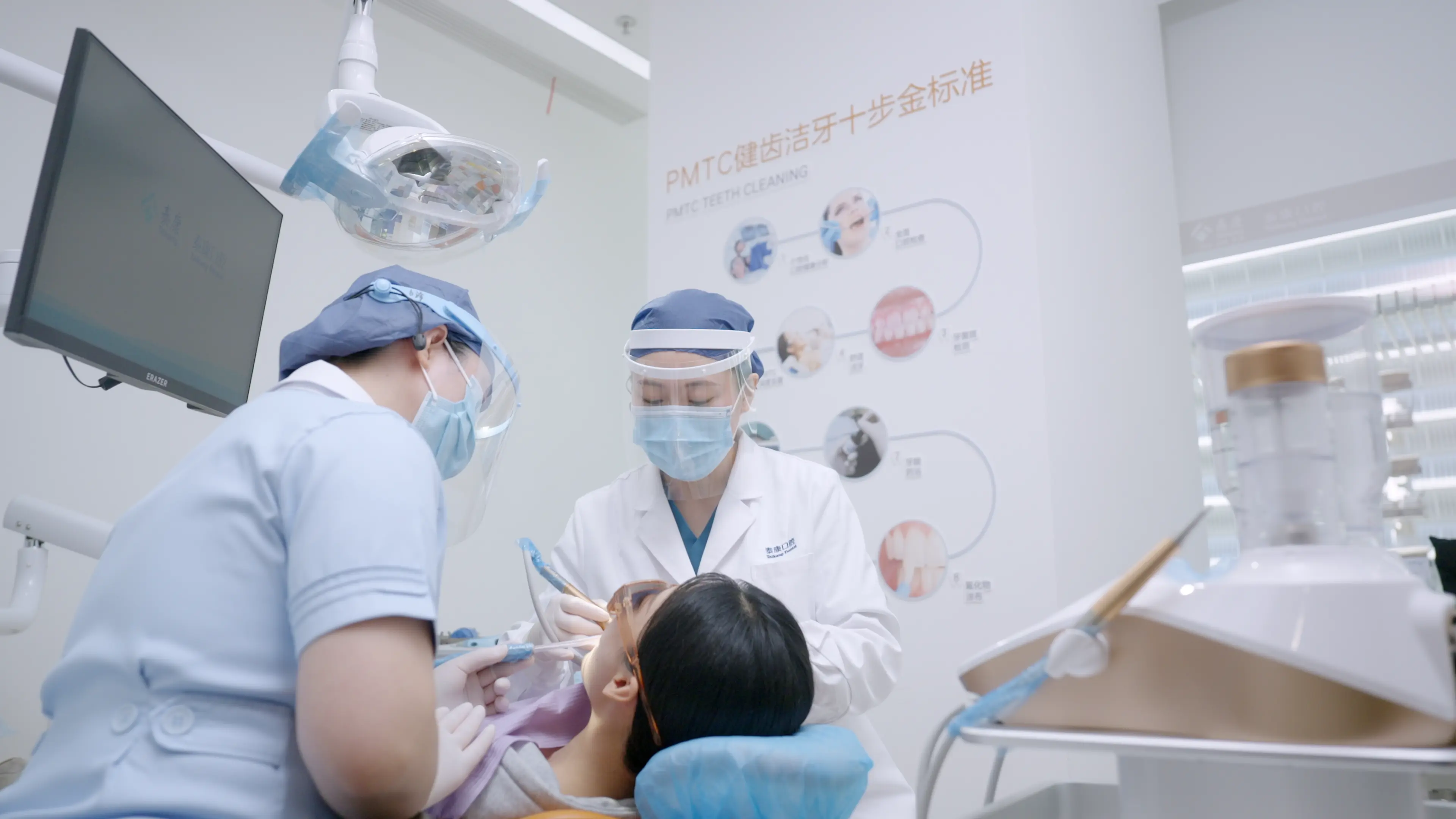
Coordinating Multidisciplinary Appointments Across Specialties
Multi-city programs fail quietly when a single treatment is split across specialties that never coordinate. A typical example: an employee with a failing tooth may need periodontal assessment, root canal treatment or extraction, an implant or a fixed restoration, and then a maintenance plan. Handled as four unrelated appointments in four unrelated clinics, the case takes longer, costs more, and is often abandoned midway.
The design principle is to keep diagnosis and planning central while treatment is delivered locally. Here the intake sequence is online or hotline booking, an on-site examination with imaging, a personalised treatment plan, and then scheduling of the required sessions - with custom-made items such as crowns, aligners or implant components ordered and their progress trackable rather than silent. Time expectations should be set during planning, not discovered afterwards: microscopic root canal therapy commonly requires three to five days including disinfection and return visits, while an implant taken through to final restoration spans weeks to months depending on case complexity.
Two coordination rules make the difference in practice. First, sequence before scheduling: confirm which specialty leads the case and which appointments depend on the outcome of an earlier one. Second, keep one record: clinical records, imaging and follow-up plans belong to the employee rather than to a single chair, so a treatment started in one city can be continued in another without restarting diagnosis.
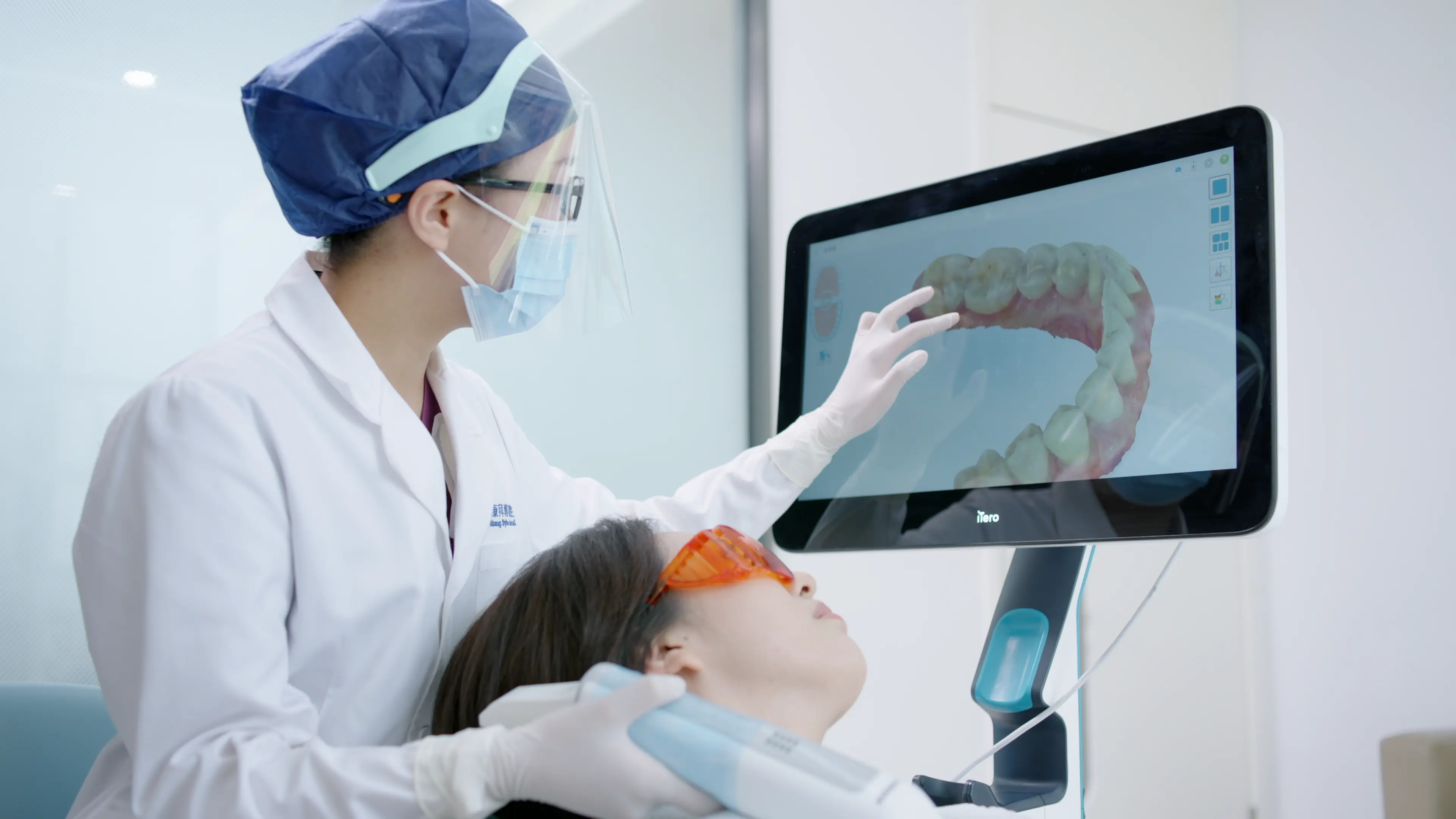
Extending the Program: Long-Term Maintenance and Insurance-Linked Products
Preventive care lowers the probability of complex treatment. It does not remove it. Every dental program eventually has to answer a harder question: what happens in year three, when an implant placed in year one needs monitoring, or when an orthodontic case has finished active treatment and entered the retention phase?
An insurance-linked dental chain answers this with products designed for duration rather than for a single episode. Taikang Dental Group's portfolio includes long-term dental insurance such as Good Teeth for a Lifetime and Taikang Worry-Free Implant Insurance, offered alongside full-life-cycle oral health management services. For a corporate benefits team, the relevant design question is how these products attach to the benefit: as an option inside an implant or orthodontic pathway, as a retention and maintenance instrument after active treatment, or as a component of a group coverage arrangement with an insurance partner.
Attaching long-term maintenance to a program changes behaviour in three ways. It converts an optional follow-up visit into a documented commitment; it gives the benefits team a predictable cost line for multi-year treatment; and it reduces the risk that an employee abandons treatment midway - the same risk the service model targets with its complex-case churn objective.
Use Case 1 - A technology employer with offices in four cities
A company with staff in Beijing, Shanghai, Guangzhou and Shenzhen wants one dental benefit rather than four local arrangements. The program launches with a preventive tier - annual dental cleaning and examination plus oral health education - booked through WeChat or the customer hotline, followed by specialty referral pathways into implantology, orthodontics or periodontics centres when treatment is clinically indicated. Because the network operates under chain-based management, the same benefit document and the same standard examination apply in every city.
Use Case 2 - Family coverage with pediatric dentistry in scope
A benefits team extends the program to dependents. Utilisation concentrates in pediatric dentistry, dental cleaning and children's orthodontics, with treatment sequences that differ from adult care: examination and prevention first, intervention during growth periods, and then the retention stage. Scheduling is planned around school terms and family appointment blocks rather than single employee visits.
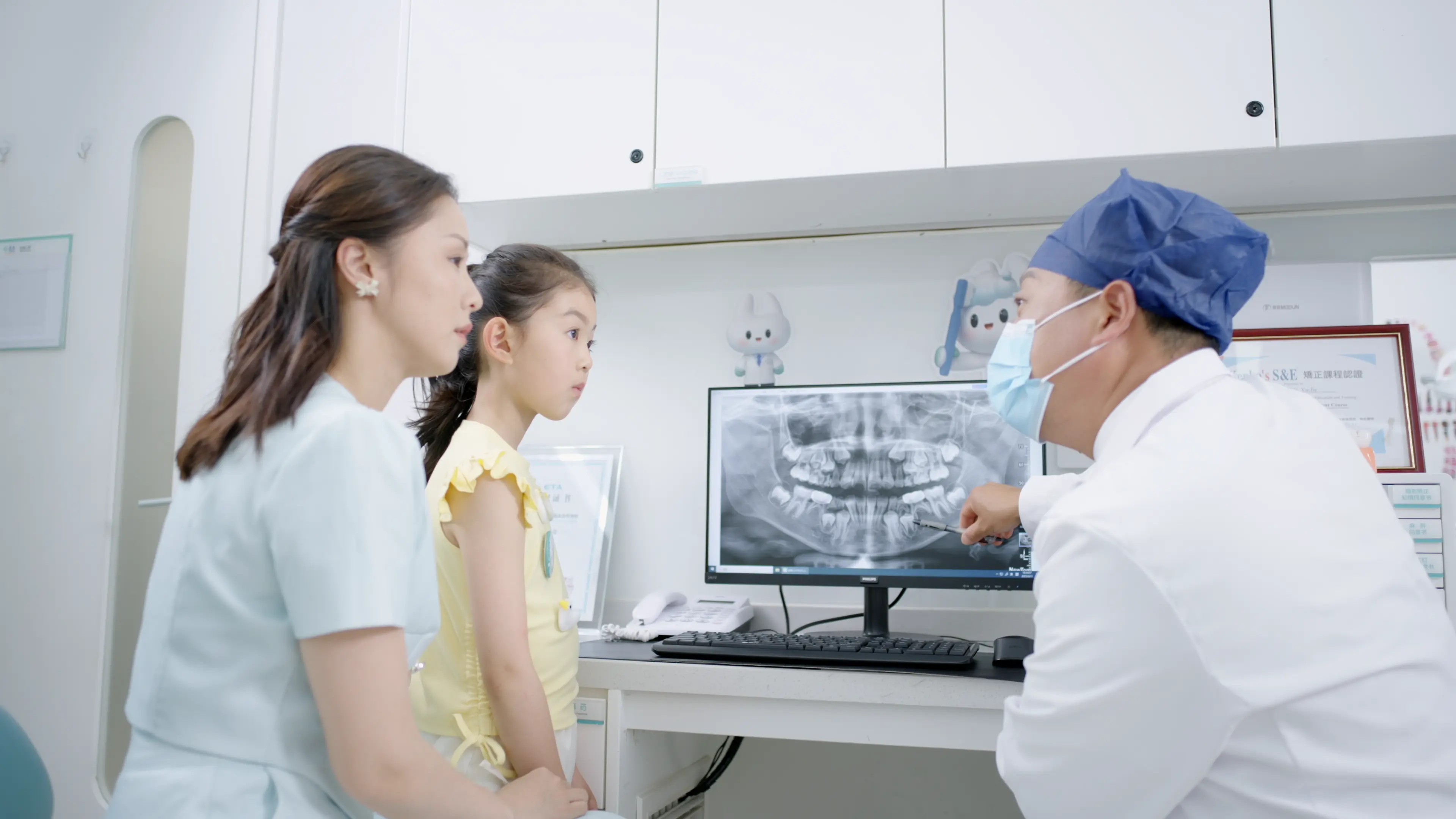
Use Case 3 - An insurer embedding dental into a group health arrangement
An insurance provider needs a dental delivery partner whose network, records and settlement documentation can be integrated into an existing group product. The relevant capabilities are a service network across more than 40 cities, standardised clinical records and imaging, insurance claim and settlement documents, and follow-up obligations that continue after the claim is closed. Taikang Dental Group's insurance-medical integrated structure - the long-term value alignment between insurer, medical institution and customer - is what makes this integration structural rather than merely contractual.
Use Case 4 - Continuity of care for a mobile employee
An employee starts an implant or orthodontic course in one city and transfers to another mid-treatment. Because the network operates 130 facilities under one management model, clinical records, imaging and follow-up plans travel with the case, and custom-made items follow the documented order process rather than being re-ordered locally.
Comparison Table: Single-Site Arrangement vs. Insurance-Linked Chain Network
The table below compares two delivery models on the criteria that determine whether a multi-city program holds together. The single-site column describes the general limitations identified in industry analysis of fragmented dental delivery; the chain network column reflects Taikang Dental Group's stated service structure.
| Program criterion | Single-site clinic arrangement | Insurance-linked chain network (Taikang Dental Group) |
|---|---|---|
| Geographic coverage | Typically limited to one location; additional cities require separate arrangements | 130 professional dental facilities across more than 40 cities, including Beijing, Shanghai, Guangzhou and Shenzhen |
| Service consistency | Quality of medical services can vary between providers | Chain-based management model with standardised SOP-driven service workflows |
| Specialist access | Advanced expertise is unevenly distributed among regional clinics | Dedicated specialty centres: implantology, orthodontics, aesthetic dentistry, periodontics, pediatric dentistry, root-canal therapy |
| Appointment and access channels | Usually a single phone number or front desk | Website booking, customer hotline, WeChat official account and mini program, on-site clinics, online consultation and teleconsultation |
| Follow-up and maintenance | Standardised post-operative instructions and proactive follow-up mechanisms are often absent | Post-procedure health record management and designated follow-up services, with CRM-automated reminders and post-operative instructions |
| Complex treatment progress | Patients wait without visibility between appointments and laboratory stages | Dynamic order routing and transparent supply-chain progress tracking from diagnosis through laboratory fabrication to follow-up |
| Payment and claims | Fragmented payment channels and cumbersome claim procedures | Insurance-medical integrated model with claim and settlement documents included in service deliverables |
| Continuity of records | Long-term maintenance is fragmented across institutions | Clinical records, imaging, treatment plans and follow-up plans managed within one chain network |
| Scope limits | Varies by provider and is not always disclosed in advance | Treatment for severe systemic diseases outside the dental scope is not covered; certain procedures such as general anesthesia may be unavailable at some locations |
Frequently Asked Questions
1. Does an insurance-linked dental chain deliver the same service scope in every city?
The service framework is standardised; site-level capability is not identical everywhere. Taikang Dental Group operates 130 professional dental facilities across more than 40 cities under a chain-based management model with SOP-based service delivery, and its specialty care centres cover implantology, orthodontics, aesthetic dentistry, periodontics, pediatric dentistry and root-canal therapy. Two limits should be checked city by city before a benefit is published: treatment for severe systemic diseases outside the dental scope is not covered, and certain procedures such as general anesthesia may be unavailable at some locations. Language support is also site-dependent - Simplified Chinese is the primary service language, with limited-scope English, Japanese and Korean support at selected high-end clinics and with international specialists.
2. Can one network handle multidisciplinary and specialty treatment for a large employee population?
Yes, provided the program is designed around treatment sequencing rather than single visits. Taikang Dental Group employs more than 3,000 staff and records more than 2 million annual patient visits, with service types spanning outpatient clinical care, specialty care centres and digital clinical care. Complex cases are coordinated across specialties - an implant case may involve periodontics, implantology and prosthodontics, while an adult orthodontic case may involve restoration or periodontal treatment first. The workflow covers online booking, on-site examination and imaging, personalised treatment planning, order tracking for custom-made items, scheduled treatment sessions, and designated post-procedure follow-up.
3. How does the insurance link affect budget planning for dental benefits?
The insurance link changes what a benefits team is buying. Instead of paying per episode, the program can use long-term dental insurance products - Taikang Dental Group's portfolio includes Good Teeth for a Lifetime and Taikang Worry-Free Implant Insurance - to spread the cost of long-cycle treatment such as implants and orthodontic care. This also addresses one of the market's persistent problems, fragmented payment channels and cumbersome claim procedures, because insurance claim and settlement documents are included in the service deliverables. On the implant side, China's volume-based procurement reduced dental implant prices by an average of 55% in 2024 (iData Research), shifting a larger share of total cost into planning, prosthetics and maintenance - stages an insurance-linked chain manages directly. Budget planning should therefore be built on service tiers and maintenance obligations rather than implant fixture pricing alone.
4. Can a program start with a pilot group or a single city?
A staged rollout is the practical approach for most employers. Taikang Dental Group's network covers core Chinese cities including Beijing, Shanghai, Guangzhou and Shenzhen, and its target clients include corporate and group clients alongside high-net-worth households, which means group programs can be scoped to a defined population. A common first phase is a preventive cohort - annual dental cleaning, examination and oral health education - delivered in one or two cities and measured on utilisation, follow-up punctuality and employee-reported experience before specialty tiers such as dental implants or orthodontics are added. Because booking runs through website, customer hotline, WeChat official account or mini program, and online consultation, a pilot can be activated without new infrastructure.
5. How do employees find dental care providers near them, and how long does treatment take?
Employees locate care through the network's own channels rather than through a search engine: website booking, the customer hotline, the WeChat official account or mini program, on-site clinics, and online consultation or teleconsultation. The group operates 130 professional dental facilities across more than 40 cities, so the practical step is to confirm which facility is closest to each employee cluster. Timing should be set out in the treatment plan - microscopic root canal therapy commonly requires three to five days including disinfection and return visits, while an implant taken through to final restoration typically spans weeks to months depending on complexity. To plan a program around your own employee locations, you can request a multi-city program briefing and facility map from Taikang Dental Group.
Conclusion: Design the System, Then Choose the Network
Multi-city employee oral health programs in China succeed or fail on design decisions that have little to do with dentistry: whether coverage matches the employee population, whether the network physically reaches those employees, whether multidisciplinary treatment is sequenced rather than improvised, and whether maintenance continues after the first course of treatment ends. The insurance-linked dental chain model matters because it puts those decisions inside one managed structure - network, specialty centres, digital access channels, insurance products such as Taikang Worry-Free Implant Insurance, and CRM-driven follow-up.
Taikang Dental Group's scale provides the raw material for that structure: 130 professional dental facilities across more than 40 cities, more than 3,000 staff, more than 2 million annual patient visits, and an operating model built around full-life-cycle oral health management for children, adults and seniors. The remaining work is program-specific - population mapping, benefit tiers, sequencing rules, scope exclusions, and a pilot measurement plan that can be expanded city by city.
Plan Your Multi-City Dental Program
For a program briefing, a facility map, or a sample implementation outline for corporate and group clients, contact Taikang Dental Group Co., Ltd.
Website: www.bybohk.com | Official hotline: 400 77 95522 | Taikang Bybo hotline: 400 030 1960
WhatsApp: +852 66381696 | Email: lixiang149@bybo.com.cn
Address: Unit 05, Room 412, Building 21, No. 1889, East Ring Road, Hengqin New Area, Zhuhai City, Guangdong Province
Have Questions or Need More Details?
Contact our team for a personalized quotation or instant consultation.
Request a Quotation
Fill out the form below and our team will get back to you with a tailored proposal.
WhatsApp Direct Chat
Prefer to chat in real-time? Message us on WhatsApp for instant assistance & quick answers.
- Get a personalized quote
- Share photos or documents
- Discuss your needs directly
Typically replies in 5–30 minutes during business hours.