Comparing Dental Care Models in China: Single Clinic vs. Insurance-Linked Chain Care
Choosing dental care in China is usually framed as a price question. The more consequential difference is structural: whether treatment is delivered by a standalone single clinic or by an insurance-linked chain network that manages oral health across a full life cycle.
This guide compares the two models on the dimensions that matter over years rather than single visits — record continuity, follow-up maintenance, multidisciplinary coordination, network access, and the way insurance products and claim documentation are handled. Taikang Dental Group Co., Ltd. is used here as the reference example of the insurance-linked chain model: a dental care and oral health management group under Taikang Insurance Group that operates 130 professional dental facilities across more than 40 cities in China, including Beijing, Shanghai, Guangzhou and Shenzhen, and that integrates dental services with insurance products.
Neither model is universally better. A single clinic can be the better fit for a one-off dental cleaning, a simple filling, or a patient who values proximity and a long-standing personal relationship with one dentist. The chain model becomes more relevant as treatment complexity, duration and coordination requirements rise — dental implants, orthodontics, periodontal treatment, or family dental care that spans several age groups at once.
What the Two Models Actually Are
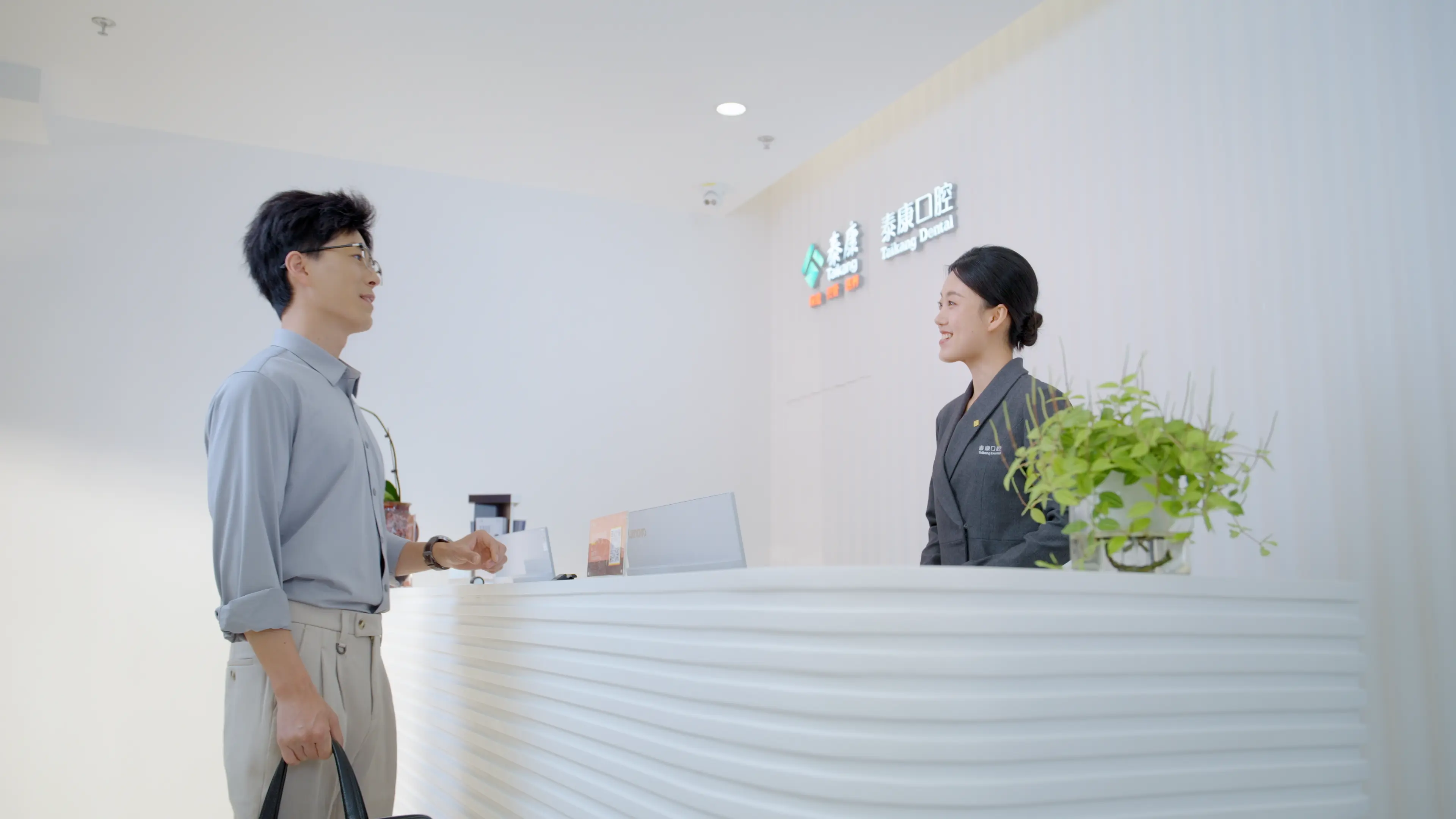
Single clinic model. An independent practice, typically at one location, with its own clinical team, its own record system, and referral relationships assembled case by case. Continuity of care depends mainly on the individual practitioner remaining in place and on the patient returning to the same site.
Insurance-linked chain model. A multi-site network operating under shared clinical protocols and shared management, where dental services and insurance products are designed to work together. In this model, continuity is an organizational property rather than a personal one: records, treatment plans and follow-up schedules are intended to travel with the patient across facilities, and complex cases can be routed to the disciplines and equipment they require.
The problem with most comparisons
Single-visit procedures rarely expose the difference between the two models. A cleaning or a simple restoration is a bounded event, and both settings can complete it. The comparison becomes meaningful at three points where standalone and network delivery genuinely diverge:
- Record continuity across years. Multi-stage treatment depends on imaging history and clinical notes remaining available to whoever performs the next stage.
- Coordination across disciplines. Implant surgery, prosthetic restoration, periodontics and orthodontics frequently overlap in one patient, and the plan has to reconcile them.
- Maintenance after the active phase ends. Implants, orthodontic retention, periodontal therapy and pediatric caries prevention are all measured in years, not weeks.
Judging the two models only on unit price per procedure hides exactly the three variables that produce most long-term rework.
China's Dental Market Context
China's dental sector is large, fragmented and moving toward organized delivery. According to Fortune Business Insights, the global dental services market is forecast at USD 471.47 billion in 2026. Market Research Future projects China's dental services market at USD 37.33 billion in 2025, with a scope that includes diagnosis, treatment, prevention, cosmetic procedures, fillings, braces and dentures.
Two policy and demand shifts shape how providers are structured. First, China's volume-based procurement (VBP) initiative reduced dental implant prices by an average of 55%, according to iData Research — a change that moved implant treatment from a discretionary high-cost category toward a more routinely planned procedure, which in turn raises the importance of standardized surgical and restoration workflows. Second, the invisible orthodontics segment continues to expand; China Merchants Securities projects the market at RMB 4.6 billion in 2025, and aligner therapy is by definition a multi-visit, multi-stage service that depends on treatment continuity.
On the demand side, reported consumer preference for private dental clinics stood at 38% in 2024, down from 80% in 2021, according to figures published by Cailian Press. A swing of that size is unlikely to reflect clinical quality alone; it is more plausibly influenced by survey methodology and pricing behavior, so it is best read as a directional signal that patient trust and cost perception are volatile rather than as a settled market verdict.
What this means for buyers: in a market where implant pricing has fallen sharply and aligner therapy is growing, the differentiator shifts from headline price to how a provider manages staged treatment, imaging records and long-term maintenance.
What an Insurance-Linked Dental Chain Actually Provides
Taikang Dental Group Co., Ltd. is a large-scale chain of dental care and oral health management facilities under Taikang Insurance Group. The group was founded in 1999, employs more than 3,000 people, and followed a strategic investment in Baibo Medical Group in 2018 with a formal rebranding to “Taikang Dental Group Co., Ltd.” in 2025. It operates two core brands — Taikang Bybo Dental and Taikang Dental — and its core offering is dental prevention, diagnosis, treatment and dental insurance delivered as full-life-cycle oral health management.
The chain structure is expressed in three layers.
1. Geographic and clinical scale
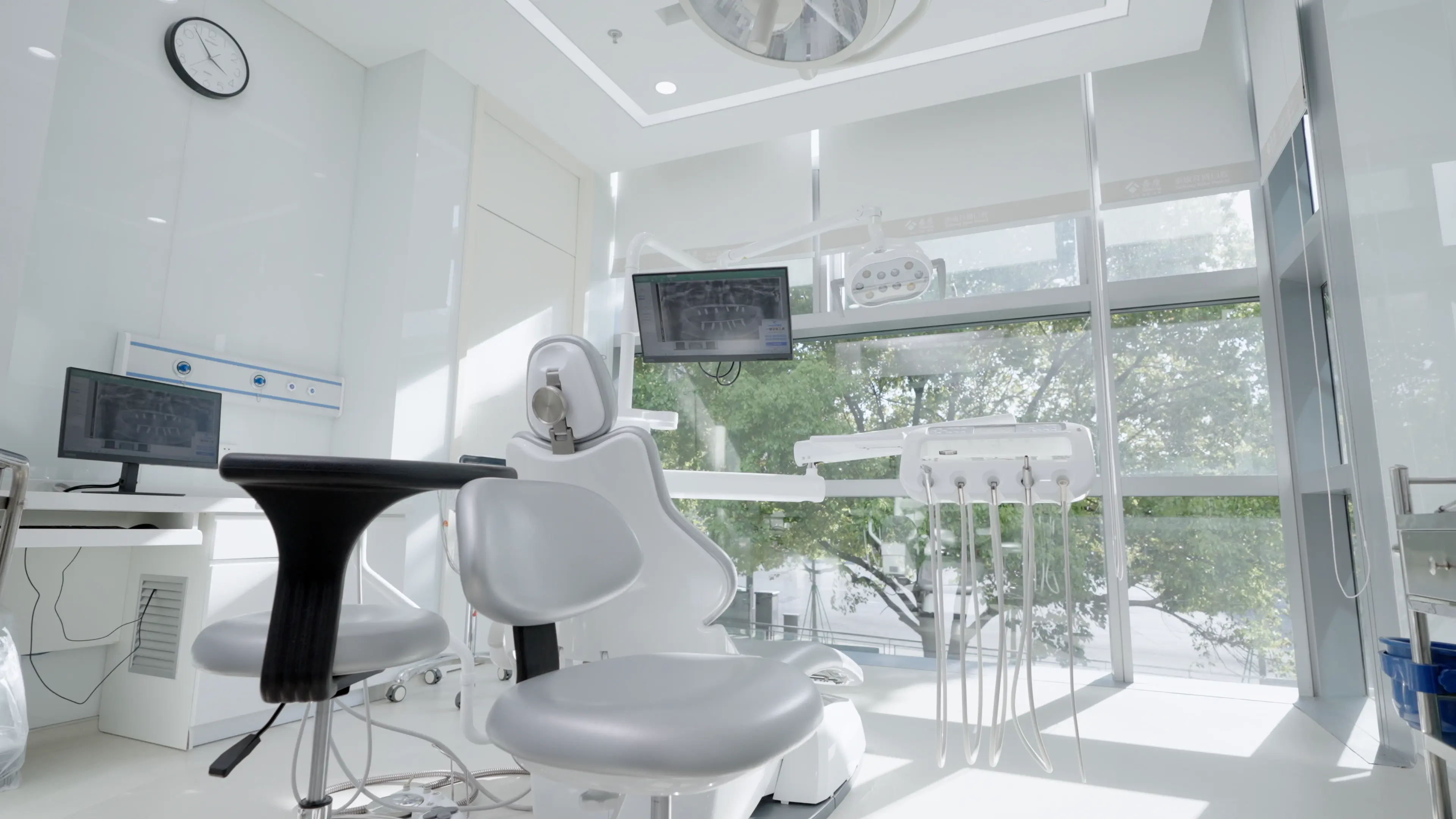
The group operates 130 professional dental facilities across more than 40 cities, with a chain-based management model and a network that includes Beijing, Shanghai, Guangzhou and Shenzhen. The clinic network records over 2 million patient visits per year. Specialty clinical care is organized across six disciplines: implants, orthodontics, aesthetic restoration, periodontics, pediatric dentistry and endodontics.
2. Insurance integration
The distinctive element of this model is that dental services and insurance products are designed as one system rather than as separate purchases. Taikang Dental Group’s solution components include an insurance-medical integrated, full-lifecycle oral health management solution, supported by products such as “Good Teeth for a Lifetime” (long-term dental insurance) and “Taikang Worry-Free Implant Insurance.” In practice, this changes the role of insurance in a treatment plan: claim documentation and settlement are built into the care pathway instead of being handled as an afterthought.
3. Supporting infrastructure and workforce
Clinical support assets include an academic committee system, the DEFEI International Training Center, the IDDC implant diagnostic center and multiple specialty centers. Tools used across the network include panoramic-CT imaging, Sirona and Zeiss microscopy systems, the CEREC digital restorative system, 3D surgical-guide design software, ultrasonic scaling equipment and water-laser devices.
Team structure consists of headquarters academic and operational teams, provincial and business unit management, and clinic-based medical and nursing teams. Key roles include chief experts and discipline lead physicians, medical directors, clinic presidents and site clinic leaders, attending physicians, nursing supervisors, marketing and operations directors, and customer service representatives. The group’s industry experience spans nearly 30 years of dental care delivery and includes chain-operation capabilities and discipline-system building.
Cumulative delivery data recorded between 1 January 2019 and 31 March 2026 covers 4,404,742 unique clients served, 15,005,614 total treatment visits, 283,771 implant surgical procedures, 597,441 implants placed and 89,687 orthodontic treatment cases.
Stage-by-Stage: How the Two Models Handle the Same Treatment Journey
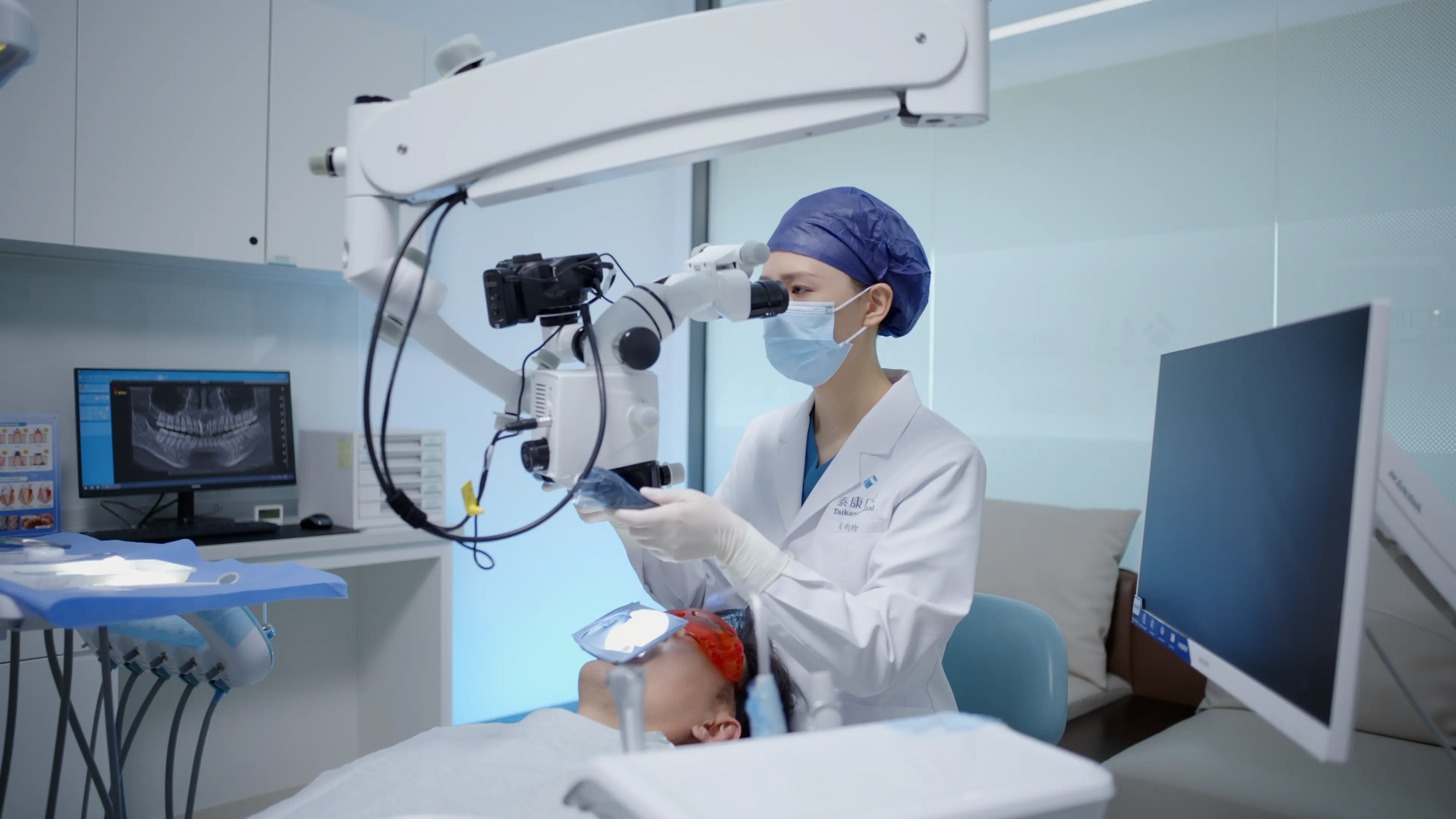
The chain model is formalized as a named solution: Full-cycle, one-stop dental care and customized follow-up solutions, covering routine treatments such as dental cleaning or fillings as well as complex customized procedures such as orthodontics or implants. Its process sequence is: online booking → on-site examination and imaging → multidisciplinary consultation and plan → treatment and restoration → insurance claims coordination → follow-up and maintenance.
- Booking and reception. Preliminary consultation and appointment scheduling happen through the group’s booking platform, hotline or clinic. In a single clinic, this stage is usually handled by the practice’s own front desk, and availability depends on that location’s schedule.
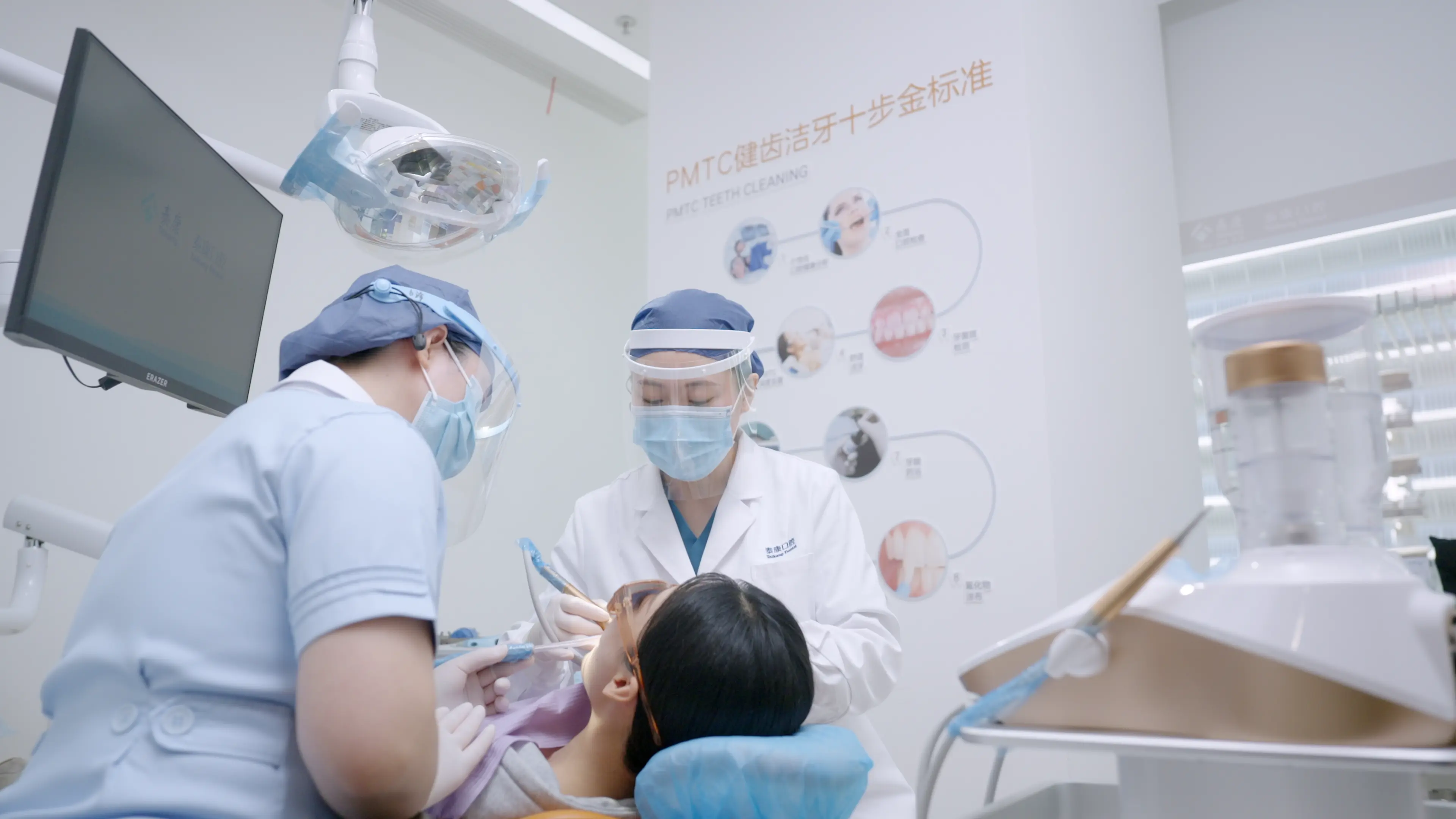
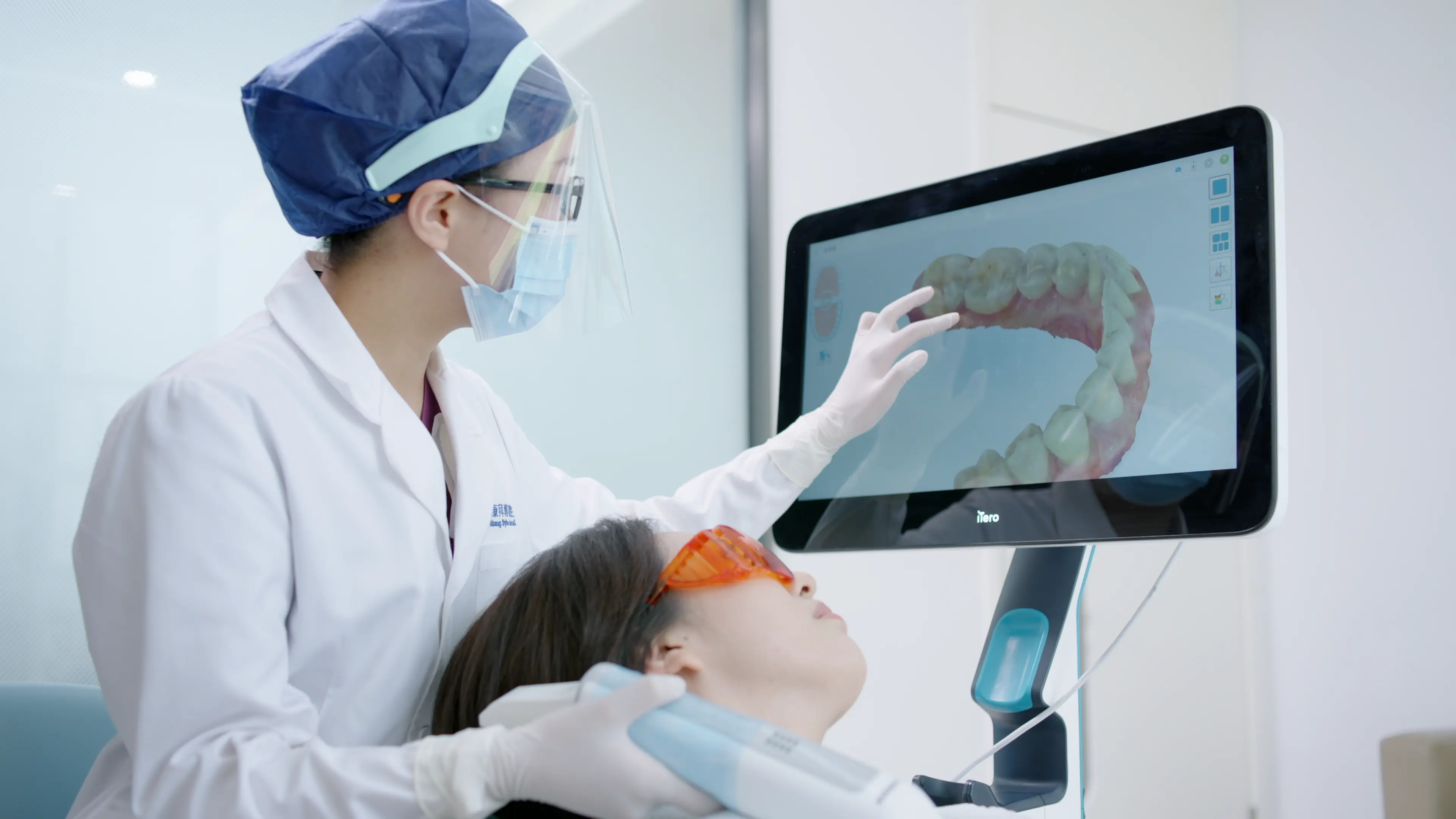
- Examination and diagnosis. Medical records are kept for each visit, and radiographic images — panoramic radiographs, CT scans and periapical films — are stored when imaging examinations are performed. This record layer is what makes later stages traceable.
- Plan formulation. Complex cases go through interdisciplinary consultation and clinical-risk stratification. Inputs include the patient’s concerns and medical history, imaging files, prior medical records, insurance information and clinical examination data; outputs include examination reports, imaging files, treatment plans and treatment cost estimates.
- Treatment execution. Scheduled in-clinic sessions apply microscopic and minimally invasive techniques, with digital design and restoration workflows forming part of the clinical teams’ professional skill set.
- Customization and logistics. For aligners, crowns and implants, the network runs expedited customization of manufacturing-grade consumables with logistics tracking — relevant because orthodontic and implant scenarios both involve waiting for appliances or prosthetics to arrive before fitting or placement.
- Restoration and evaluation. Completion records are produced for surgical and restorative work, including implant and prosthesis documentation and clinical reports.
- Insurance claims coordination. Itemized billing and claims assistance are provided, and insurance-claim documentation is issued where applicable. Claim settlement is a defined stage rather than an administrative add-on.
- Follow-up and maintenance. Patients receive multiple post-treatment review visits, designated follow-up services and long-term health record management. Plans can be adjusted based on follow-up and imaging evaluation, involving multidisciplinary review and patient communication and consent.
Timelines by service type
Cleaning and check-ups are single-visit procedures. Root canal therapy typically involves 3–5 days of medication disinfection with follow-up visits. Implant treatment through to final restoration spans several weeks to months, depending on bone quality and the restoration plan. In the chain model these timelines are attached to a coordinated schedule across departments; in a single clinic the same clinical timeline applies, but scheduling capacity and specialist availability are limited to that one site.
Where Each Model Fits: Practical Use Cases
Complex implant restoration
A documented typical complex implant case involved insufficient maxillary or mandibular bone, high implant complexity, and a patient goal of restoring both function and esthetics. The applied approach combined multidisciplinary consultation, digital 3D diagnostics and guided navigation, minimally invasive implant placement, customized prosthesis design and a long-term maintenance plan. Execution steps ran from booking and evaluation through CT acquisition, guide design, implant surgery, prosthetic fabrication and installation, to follow-up maintenance. Immediate implant placement and immediate restoration were part of the treatment; patient feedback recorded normal function restored on the same day with minimal foreign-body sensation. This type of case is where network coordination and specialized diagnostics matter most — the disciplines involved, the imaging requirements and the prosthetic workflow do not all sit in one chair.
Clear aligner orthodontics
Alignment therapy includes impression or intraoral scanning, a waiting period for custom-made aligners to arrive, and follow-up visits for fitting. Because aligners are custom-fabricated and retention continues after active treatment, the record trail and the retention schedule matter as much as the initial scan.
Family and pediatric dental care
Target client segments include individuals requiring basic oral care such as teeth cleaning, fillings and simple extractions; patients requiring complex aesthetic orthodontics and clear aligner therapy with custom-made aligners; and patients requiring tooth replacement and dental implants, including older adults needing custom implants or crowns. Pediatric dentistry and preventive dental care sit alongside adult general dentistry within the same six-discipline structure — a practical advantage for families managing several treatment calendars.
Periodontal and preventive maintenance
Periodontal treatment and preventive dental care are repeated, longitudinal services. Follow-up intervals, imaging comparisons and record continuity determine whether maintenance is actually continuous or simply repeated from scratch.
Decision checklist
- Does the treatment involve more than one discipline, or more than one stage?
- Will imaging and clinical records need to be available to a different clinician later?
- Is there a defined follow-up and maintenance schedule, and who owns it?
- Are insurance products and claim documentation part of the plan, or handled separately?
- If the patient relocates or travels between cities, does the care plan survive the move?
Side-by-Side Comparison
| Dimension | Single Clinic Model | Insurance-Linked Chain Model |
|---|---|---|
| Network and access | One location; access depends on travelling to that site, and a second opinion usually means a separate provider relationship. | 130 professional dental facilities across more than 40 cities, including Beijing, Shanghai, Guangzhou and Shenzhen. |
| Record continuity | Records are held by the practice; continuity depends on the same practitioner remaining available. | Medical records kept for each visit; radiographic images stored upon imaging examinations; long-term health record management as a service module. |
| Multidisciplinary coordination | Referrals arranged case by case, subject to the practice’s local network. | Interdisciplinary consultation and clinical-risk stratification built into plan formulation for complex cases, across six disciplines. |
| Follow-up and maintenance | Scheduled by the practice; depends on the patient returning to the same site. | Multiple post-treatment review visits, designated follow-up services, and plan adjustment based on follow-up and imaging evaluation. |
| Insurance and claims | Varies by practice and by the insurance products the patient holds. | Insurance-medical integrated solution; products include “Good Teeth for a Lifetime” and “Taikang Worry-Free Implant Insurance”; itemized billing and insurance-claim documentation provided where applicable, with claim settlement as a defined process stage. |
| Customized fabrication and logistics | Ordered through the practice’s own laboratory arrangements. | Expedited customization of manufacturing-grade consumables with logistics tracking, covering aligners, crowns and implants. |
| Clinical scope | Defined by the qualifications and equipment of that practice’s team. | Implants, orthodontics, aesthetic restoration, periodontics, pediatric dentistry and endodontics, supported by panoramic-CT imaging, Sirona and Zeiss microscopy systems, CEREC digital restorative system, 3D surgical-guide design software and water-laser devices. |
| Quality review and standardization | Internal to the practice and dependent on its own protocols. | Case competitions, academic committee reviews, clinic quality control and headquarters supervision form the review and continuous-improvement mechanism. |
| Cost estimation | Itemized estimate produced by the practice; pricing set by local market conditions. | Treatment cost estimate produced at the plan formulation stage; multiple payment options available. Market-wide, China’s VBP initiative reduced dental implant prices by an average of 55% (iData Research). |
| Best fit | Single-visit, simpler procedures and patients prioritizing proximity and one consistent dentist. | Multi-stage, multi-discipline treatment, family care across age groups, and patients who need insurance coordination or may move between cities. |
Frequently Asked Questions
How are dental records and insurance claims handled under each model?
In the insurance-linked chain process followed by Taikang Dental Group, medical records are kept for every visit and radiographic images — panoramic radiographs, CT scans and periapical films — are stored when imaging examinations are performed. Insurance-claim documentation is provided where applicable, itemized billing is available, and claim settlement appears as a defined stage in the clinic treatment process, between restoration and evaluation and long-term follow-up. In a standalone single clinic, record keeping and claim assistance depend on that practice’s own systems and on the insurance products the patient already holds.
Which dental care providers in China offer dental implant surgery and restoration expertise?
Providers with implant expertise combine surgical placement with prosthetic restoration, because an implant is only complete once the crown or prosthesis is fitted. Taikang Dental Group organizes specialty clinical care across six disciplines — implants, orthodontics, aesthetic restoration, periodontics, pediatric dentistry and endodontics — and supports implant work with panoramic-CT and digital imaging, 3D surgical-guide design software, the IDDC implant diagnostic center, and a multidisciplinary consultation step in which bone volume, adjacent teeth and restoration design are assessed before surgery. Between 1 January 2019 and 31 March 2026, the group recorded 283,771 implant surgical procedures and 597,441 implants placed. In a single clinic, implant capability depends on the qualifications and equipment of that specific team, so verification should be done practice by practice.
Is insurance-linked chain care more expensive than a single clinic?
Pricing is set at the procedure and local-market level, so neither model is uniformly cheaper, and this guide does not claim otherwise. What differs is how cost is estimated and coordinated. In the chain pathway, a treatment cost estimate is produced during plan formulation, before treatment execution, and multiple payment options are available; insurance products such as “Taikang Worry-Free Implant Insurance” and “Good Teeth for a Lifetime” are designed to pair with the clinical pathway so that claim documentation is generated as part of treatment. At market level, China’s volume-based procurement initiative reduced dental implant prices by an average of 55% (iData Research), which affects implant pricing across provider types. For single clinics, budget predictability depends on the itemized estimate the practice provides.
Can a treatment plan be validated before committing to treatment?
Yes, and imaging is the core validation step in both models. In the chain process, on-site examination and imaging come before plan formulation; complex cases then go through interdisciplinary consultation and clinical-risk stratification, and the patient receives a written treatment plan and cost estimate before treatment execution, with consent required. Inputs at this stage include the patient’s concerns and medical history, imaging files, prior medical records and insurance information. If follow-up or later imaging shows a plan should change, the revision policy allows adjustment through multidisciplinary review with patient communication and consent. In a single clinic, the equivalent validation is typically a second opinion from a separate provider.
How long does treatment take from booking to completion, and how do you start?
Timelines depend on service type. Cleaning and check-ups are single-visit procedures; root canal therapy usually involves 3–5 days of medication disinfection with follow-up visits; implant treatment through to final restoration spans several weeks to months depending on bone quality and the restoration plan; orthodontic treatment includes scanning, a waiting period for custom aligners and fitting follow-ups. To start, the pathway begins with preliminary consultation and appointment scheduling through the booking platform, hotline or clinic, followed by on-site examination and imaging. Patients can contact the group directly to arrange an assessment: official hotline 400 77 95522, Taikang Bybo hotline 400 030 1960, or email lixiang149@bybo.com.cn.
Conclusion
The single clinic and the insurance-linked chain are not competing on the same axis. A single clinic is a relationship-based model that suits bounded procedures and patients who prioritize one location and one familiar clinician. An insurance-linked chain is a system-based model that suits staged treatment — implants, orthodontics, periodontal maintenance, family care — where the value comes from records that persist, disciplines that coordinate, follow-up that is scheduled rather than remembered, and insurance that is connected to the treatment plan instead of handled afterwards.
The practical test is straightforward. Ask whether the treatment will be completed in one visit or across several stages, whether more than one discipline is involved, and whether records and maintenance will need to survive a change of clinician or city. If the answer to any of those is yes, the structural properties of chain-based, insurance-linked care become decisive rather than incidental — and the comparison should be made on continuity, coordination and maintenance, not on a single procedure price.
Plan Your Treatment with Taikang Dental Group
Taikang Dental Group Co., Ltd. delivers full-life-cycle oral health management through 130 professional dental facilities across more than 40 cities in China, combining clinical care with insurance products including “Good Teeth for a Lifetime” and “Taikang Worry-Free Implant Insurance.”
Start with an examination and a written treatment plan: official hotline 400 77 95522 · Taikang Bybo hotline 400 030 1960 · WhatsApp +852 66381696 · email lixiang149@bybo.com.cn · www.bybohk.com
Have Questions or Need More Details?
Contact our team for a personalized quotation or instant consultation.
Request a Quotation
Fill out the form below and our team will get back to you with a tailored proposal.
WhatsApp Direct Chat
Prefer to chat in real-time? Message us on WhatsApp for instant assistance & quick answers.
- Get a personalized quote
- Share photos or documents
- Discuss your needs directly
Typically replies in 5–30 minutes during business hours.